The clothes you wear everyday and the fabrics they’re made with matters. It not only sits directly on your skin all day long, but the fibers create dust and micro particles that can spread among your home. This is an issue because many conventional fabrics are treated with chemical finishes and dyes that can irritate sensitive skin, be inhaled, and contribute to daily toxin exposure over time. By learning what to look for when shopping for clothes, you can create a better, healthier closet.
The goal is simple: reduce the hidden toxins that don’t serve your health, choose healthier materials when it matters most, and build a wardrobe you can actually maintain. Consider this your beginner-friendly, Girls Who Eat-approved guide to non-toxic clothing, from the most common fabric toxins to the best non-toxic materials and certifications so you can shop smarter.
Quick note before we get into it: you do not need to replace everything at once. Progress over perfection is the only strategy we’ve found that actually sticks, and swapping products once you’re in the market for something new or upgrading the highest-impact items first is the easiest way to make changes without waste or stress.
What We Will Cover
- Why Non-Toxic Clothing Matters
- The Most Common Toxins Found in Clothing
- Best Non-Toxic Clothing Materials
- Certifications to Look For
- Underwear, Activewear, and Pajamas: the Highest-Impact Swaps
- Microplastics + Synthetic Fabrics: What to Know
- Step-By-Step Guide to Building a Non-Toxic Wardrobe Today
Why Non-Toxic Clothing Matters
When you think about toxins you’re exposed to daily, clothes aren’t usually the first thing that comes to mind. But clothing can be a constant exposure pathway because it’s in direct contact with your skin and sits near your face, airways, and around vulnerable intimate areas. Many conventional fabrics and clothes are treated during production and are shipped with chemical coatings, pesticides, and synthetic dyes, some of which are designed to last through wearing and washing.
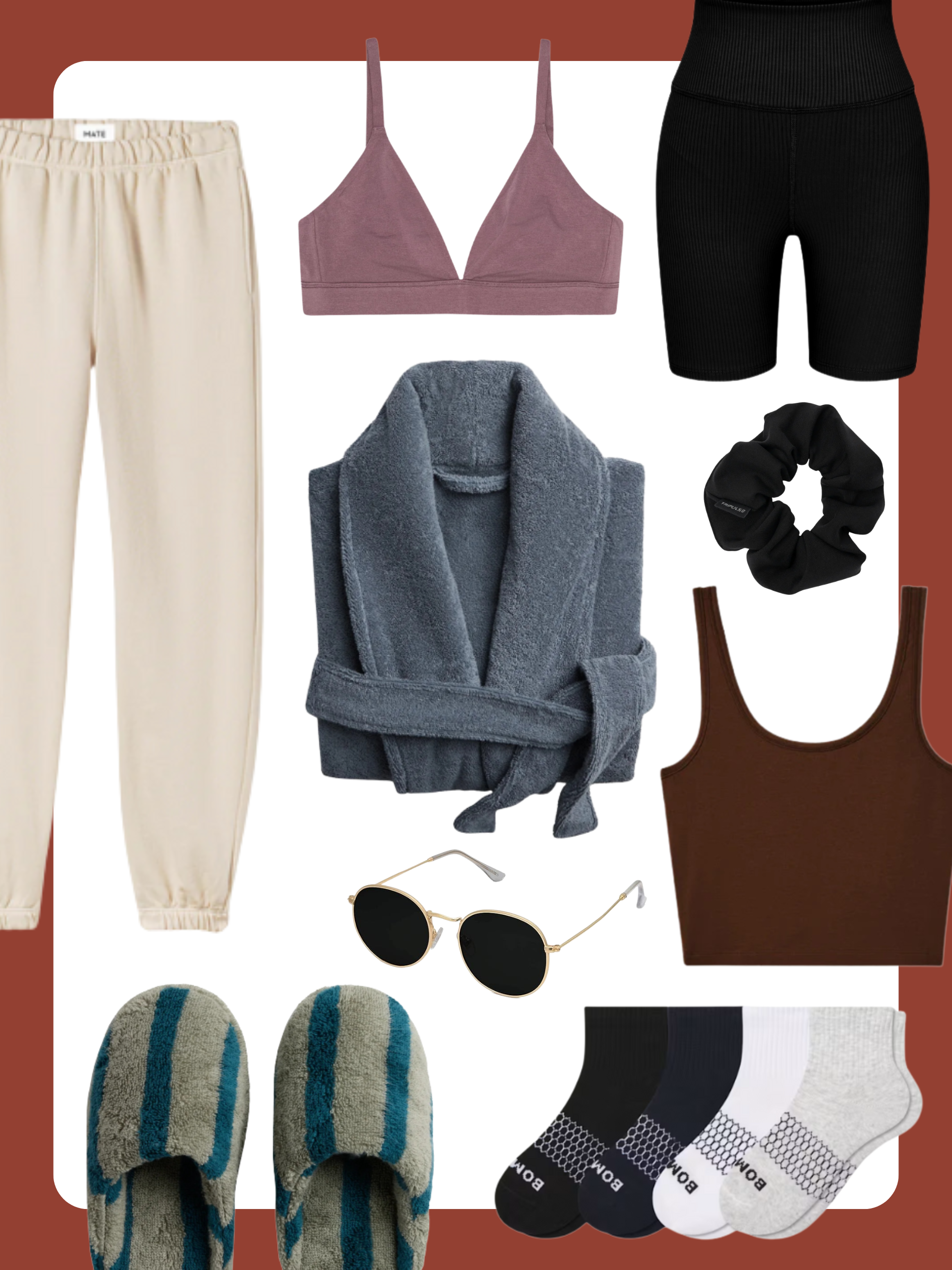
At Girls Who Eat, our approach is low-lift and realistic. You don’t need a perfect non-toxic closet. The goal is focusing on the highest-impact pieces first: the items that sit closest to your skin, like underwear, socks, and bras, the items you wear for long stretches like pajamas, and the categories most likely to contain chemical finishes, like activewear and wrinkle-free clothing. Non-toxic clothing should feel like a practical upgrade that you can add to your closet over time, not another thing to stress about.
The Most Common Toxins Found in Clothing
The biggest red-flag ingredients in fabrics tend to show up in a few buckets:
- PFAS (per- and polyfluoroalkyl substances) are forever chemicals used to make fabrics stain-resistant, water-resistant, or performance-based, and they’re especially common in activewear and outdoor gear.
- Formaldehyde is used to keep clothing wrinkle-free and prevent mildew in shipping, and it’s often found in wrinkle-resistant items.
- Synthetic dyes can include irritating compounds or heavy metals, and while you can’t always see that from the front label, you can often avoid the worst offenders by choosing certified safer textiles or low-impact dyes.
- Flame retardants can be used to meet flammability requirements in certain categories, and they’re especially worth paying attention to in children’s sleepwear and some treated fabrics.
- Pesticide and herbicide residues can linger in conventional cotton, which is why organic cotton is such a meaningful upgrade for sensitive skin and everyday basics.
- Chlorine bleach and optical brighteners are common in “bright white” fabrics and can be irritating for reactive skin.
Tip: If something is labeled “stain-resistant,” “wrinkle-free,” “permanent press,” “anti-odor,” or “performance,” treat it as a potential red flag for PFAS or formaldehyde-style finishing.
Best Non-Toxic Clothing Materials
When shopping for non-toxic clothing, your easiest win is to focus on natural fibers, especially for the items you wear the most. These are some of the best fabrics to look for:
- Organic cotton is often the best place to start because it’s breathable, widely available, and ideal for underwear, socks, pajamas, and tees.
- Linen is another great option because it’s naturally breathable and often better tolerated in warm weather.
- Hemp is durable and breathable and can be a strong choice for everyday basics.
- Merino wool is temperature-regulating and naturally odor-resistant without needing “anti-odor” chemical treatments, making it a great option for socks and base layers. Better-processed bamboo viscose can be a good choice in some cases, but it’s important that brands are transparent about how the fabric is processed and what certifications are used.
Certifications To Look For
Terms like “clean,” “natural,” and “eco-friendly” aren’t regulated, so choosing clothes with certifications can help you cut through the greenwashing. Two of the most useful certifications for non-toxic clothing are GOTS and OEKO-TEX. GOTS (Global Organic Textile Standard) is one of the strongest standards for organic textiles because it covers not just the fiber, but also processing and chemical restrictions. OEKO-TEX Standard 100 tests finished products for harmful substances and can be especially helpful when you’re buying non-organic items but still want a safety screen on the final textile.
Tip: The formula for choosing the best items is to look for natural fibers plus acertification like GOTS for organic textiles and OEKO-TEX for safety testing.
Underwear, Activewear, and Pajamas: The Highest-Impact Swaps
When prioritizing where to start adding non-toxic clothing to your closet, focus on the items that sit closest to your skin and the categories most likely to contain chemical finishes. Underwear and bras are a good place to start because they are daily essentials worn on areas with sensitive skin, and choosing organic cotton is one of the cleanest upgrades you can make. Pajamas are another good choice to upgrade because they are worn for long stretches every night, and sleep is when your body is restoring and recovering, not the time you want to expose yourself to irritating synthetic fabrics and dyes. Activewear is one of the most important categories to shop intentionally because performance claims often include water-resistance, stain-resistance, and anti-odor finishes, which can be associated with PFAS or other toxic treatments.
The goal isn’t to never wear synthetics again, it’s to reduce exposure around sensitive body areas and in your most frequently worn categories as much as possible,then upgrade the rest slowly as you shop.
Microplastics + Synthetic Fabrics: What to Know
Some of the most common fabrics used in clothing are made with plastic-derived fibers, so when limiting plastic in other categories of your life, it makes sense to limit it in your clothing, too. Polyester, nylon, and acrylic are plastic-based fabrics, and they can shed microplastics over time, especially during washing. This doesn’t mean you need to purge your closet. A realistic approach is to prioritize natural fibers for daily basics, wash new clothes before wearing, and reduce over-washing or harsh wash cycles that break down fabrics faster. If you wear a lot of synthetic activewear, you can also consider adding a microfiber-catching laundry bag or filter to help reduce the amount of microplastics that are dumped into wastewater.
Step-By-Step Guide to Building a Non-Toxic Wardrobe Today
The Girls Who Eat approach is simple:
- Start with basics that sit close to skin. Underwear, socks, bras, and pajamas are the highest-impact upgrades.
- Choose natural fibers first. Organic cotton, linen, hemp, and merino wool are great foundations.
- Watch out for performance claims. Stain-resistant, wrinkle-free, anti-odor, and water-resistant labels are common red flags.
- Look for real certifications. GOTS and OEKO-TEX help reduce guesswork.
- Wash new clothes before wearing them. This can reduce manufacturing residues and prevent skin irritation.
- Replace items as they wear out. Upgrade one category at a time instead of everything at once.
- Keep it simple. The best non-toxic wardrobe is the one you can actually maintain long-term.
Even More Of Our Favorite Non-Toxic Clothing Swaps
Below are more of our favorite clothing swaps across all categories to help you select new non-toxic pieces for your wardrobe. If you’re ever unsure about an item not in our database, use our Ingredient Glossary to better understand what it contains. Remember, this should be fun! If you’re ever feeling stressed or overwhelmed, take a step back. This guide will always be here for you to reference as you upgrade your closet with natural fabrics and comfortable basics.
Non-Toxic Underwear + Bras + Socks
Shop our Clothing Product Marketplace for all our GWE-approved favorites, from socks and underwear to leggings and sleepwear.