A healthy gut goes far beyond digestion. Your gut microbiome plays a role in nearly everything from digestion, immunity, energy, mood, and even skin. While the topic itself might be complex, in most cases improving gut health is as simple as adding the right food into your diet.
Our goal here is simple: support the beneficial bacteria that help you thrive, reduce the habits and ingredients that throw your microbiome off, and build a routine you can actually stick to. Consider this your beginner-friendly, Girls Who Eat-approved guide to gut health, from the best gut health foods and fiber to how to choose clean probiotics, prebiotics, and digestive enzymes that support long-term balance. With this guide, you’ll have the tools to transform your gut health, one step at a time.
And remember, you don’t need to do everything at once. Progress over perfection is the only strategy we’ve found that actually sticks, and small daily habits add up faster than any extreme reset.
What We Will Cover
- Why Gut Health Matters
- What is the Gut Microbiome?
- The Best foods for Gut Health
- Fiber: The Unsung Hero of Gut Health
- Probiotics: The Good Bacteria
- Prebiotics: Feed Your Probiotics
- Digestive Enzymes: When They Can Help
- How Fiber, Prebiotics, and Probiotics Work Together
- Step-By-Step Guide to Improve Gut Health Today
Why Gut Health Matters
Your gut is the foundation of your health. It’s often called your second brain because it affects far more than digestion. Your gut microbiome helps regulate inflammation, supports your immune system, influences mood and focus, and impacts skin health. When your gut is balanced, you’ll often notice better digestion, steadier energy, clearer thinking, and fewer symptom flare-ups. When it’s out of balance, you might notice issues like bloating, fatigue, brain fog, and skin problems.
At Girls Who Eat, we take a realistic approach to improving gut health. You don’t need a perfect diet or a cabinet full of powders to support your microbiome. The goal is to focus on the highest-impact habits first: eating more diverse plants, increasing fiber, and using clean gut health supplements only when they actually make sense for your body.
What is the Gut Microbiome?
Your gut microbiome is made up of trillions of microorganisms, like bacteria, fungi, and microbes, that help digest food, support the gut lining, fight off pathogens, and communicate with your immune system. A balanced gut microbiome is more resilient to disruption, and it’s home to a diverse array of beneficial microorganisms, which is one of the reasons dietary variety matters so much.
Think of your gut like a garden. It thrives when it’s consistently fed the right things, especially a variety of plant-based foods and fiber. When it’s underfed, meaning low fiber and low plant variety, stressed from poor sleep or a hectic lifestyle or overloaded with processed foods, that garden can lose diversity and that’s when symptoms often begin.
The Best Foods for Gut Health
One of the most effective gut health strategies is food diversity. Research suggests that eating 30 to 40 different plant foods per week can support a stronger, more resilient gut microbiome. That doesn’t mean you need to count obsessively. Instead, rotate what’s on your plate, eat seasonally when you can, and add variety week to week.
The best gut health foods tend to fall into a few categories:
Fermented foods: sauerkraut, kimchi, kefir, miso, unsweetened yogurt (supports microbial diversity)
Prebiotic foods: garlic, onions, leeks, asparagus, bananas, oats (feeds beneficial bacteria)
Fiber-rich foods: beans, lentils, chia, flax, nuts (supports regularity + microbiome strength)
Polyphenol-rich foods: berries, green tea, dark chocolate, olive oil (supports beneficial bacteria + inflammation balance)
Collagen + bone broth: commonly used to support the gut lining + overall digestive support
Tip: Aim for color variety. Different colors of fruits and vegetables feed different strains of beneficial bacteria.
Fiber: The Unsung Hero of Gut Health
If there’s one gut health habit that makes the biggest difference, it’s eating more fiber. Fiber is literally food for your good bacteria, and most people don’t get enough. Many experts recommend around 25 to35 grams of fiber per day, but modern diets often fall far below that.
Fiber supports digestion by keeping things regular, balancing blood sugar, reducing inflammation, and supporting detox by binding to waste so it can be eliminated. If you’re trying to improve gut health, increasing fiber is often the most direct path to a more resilient microbiome.
The best fiber sources are whole plant foods, especially vegetables, fruits, beans, lentils, chia, flax, oats, and quinoa. A simple place to start is adding chia seeds or ground flax to smoothies or oatmeal, or building one meal per day around legumes.
Tip: Increase fiber gradually and drink plenty of water to avoid bloating.
Probiotics: The Good Bacteria
Probiotics are beneficial bacteria that help restore balance in the gut microbiome. Probiotics can support digestion, immune balance, and even mood, but the quality of probiotic supplements varies.
When choosing a clean probiotic supplement, we avoid formulas with added sugars, artificial flavors, or gums, especially in gummies and flavored powders. We also avoid brands that don’t disclose their strains and CFU count, because transparency matters. If you don’t know what strains you’re taking, it’s difficult to evaluate whether the product is worth it. Third-party testing is also a meaningful signal of quality..
We tend to prefer spore-based probiotics because they’re designed to survive stomach acid more effectively than many traditional probiotics. Many people also prefer shelf-stable probiotics for consistency and ease when traveling. The goal is choosing a probiotic supplement that actually reaches the gut without the unnecessary additives that can work against digestive comfort.
Tip: Take your probiotic after your largest meal to help the bacteria survive stomach acid.
Prebiotics: Feed Your Probiotics
If probiotics are the plants, prebiotics are the fertilizer. Prebiotics are specific fibers that feed the beneficial bacteria already in your gut so they can thrive and diversify. If you’re focused on natural gut health, eating more prebiotic foods is one of the easiest daily habits to build.
Some of the best prebiotic sources are garlic, onions, leeks, asparagus, green bananas, Jerusalem artichokes, oats, and chicory root. You don’t need all of these every day. Even adding one prebiotic-rich food daily can support your gut microbiome over time.
Tip: Pair prebiotic and probiotic foods, like yogurt with oats and berries, for an easy gut-friendly combo.
Digestive Enzymes: When They Can Help
Even with a healthy diet, your body sometimes needs support breaking down food. Digestive enzymes can help your body absorb nutrients more efficiently and reduce occasional bloating or indigestion by supporting the breakdown of proteins, fats, and carbohydrates.
Digestive enzymes can be especially helpful if you notice heaviness after meals, feel bloated with certain foods, or are working on overall digestive support. Like all gut health supplements, clean formulas matter, so avoid products packed with unnecessary fillers, additives, or added flavors.
Tip: Take digestive enzymes right before meals to support smoother digestion.
How Fiber, Prebiotics and Probiotics Work Together
Think of your gut like a thriving ecosystem, and fiber, prebiotics, and probiotics each play a different but connected role. Fiber is the foundation, keeping digestion regular, removing waste, and providing the structure that keeps everything moving. Prebiotics are the fertilizer that feed your good bacteria so they grow stronger and more diverse. Probiotics are the builders, and they help restore balance in your microbiome, strengthen the gut lining, and support digestion, immunity, and even mood.
Together, this trio creates the ultimate gut health cycle: fiber supports steady digestion, prebiotics feed beneficial bacteria, and probiotics help rebuild balance. When all three are consistently supplied to your gut, your microbiome thrives, inflammation can decrease, and your energy, digestion, and skin often improve over time.
Step-by-Step Guide to Improve Your Gut Health Today
The Girls Who Eat approach is simple:
- Start with plant diversity. Aim to rotate fruits, vegetables, legumes, nuts, seeds, and whole grains across the week with a goal of eating 30 to 40 different types.
- Increase fiber gradually. Add chia, flax, beans, lentils, and oats slowly so your gut can adapt.
- Add one fermented food to your menu. A few bites of sauerkraut or a serving of unsweetened yogurt is a great place to start.
- Eat prebiotic foods regularly. Garlic, onions, oats, and green bananas are easy, affordable options.
- Use probiotics intentionally. Choose a clean probiotic supplement if you need extra gut support, are planning to be on antibiotics, or traveling, and be consistent about taking it daily.
- Consider digestive enzymes if you feel bloated after meals. Use them as-needed to support digestion.
- Track patterns. If you feel off, keep a simple food and symptom journal for a few days to spot triggers.
- Keep it simple. The best gut health routine is the one you’ll actually do daily and that supports your body long-term.
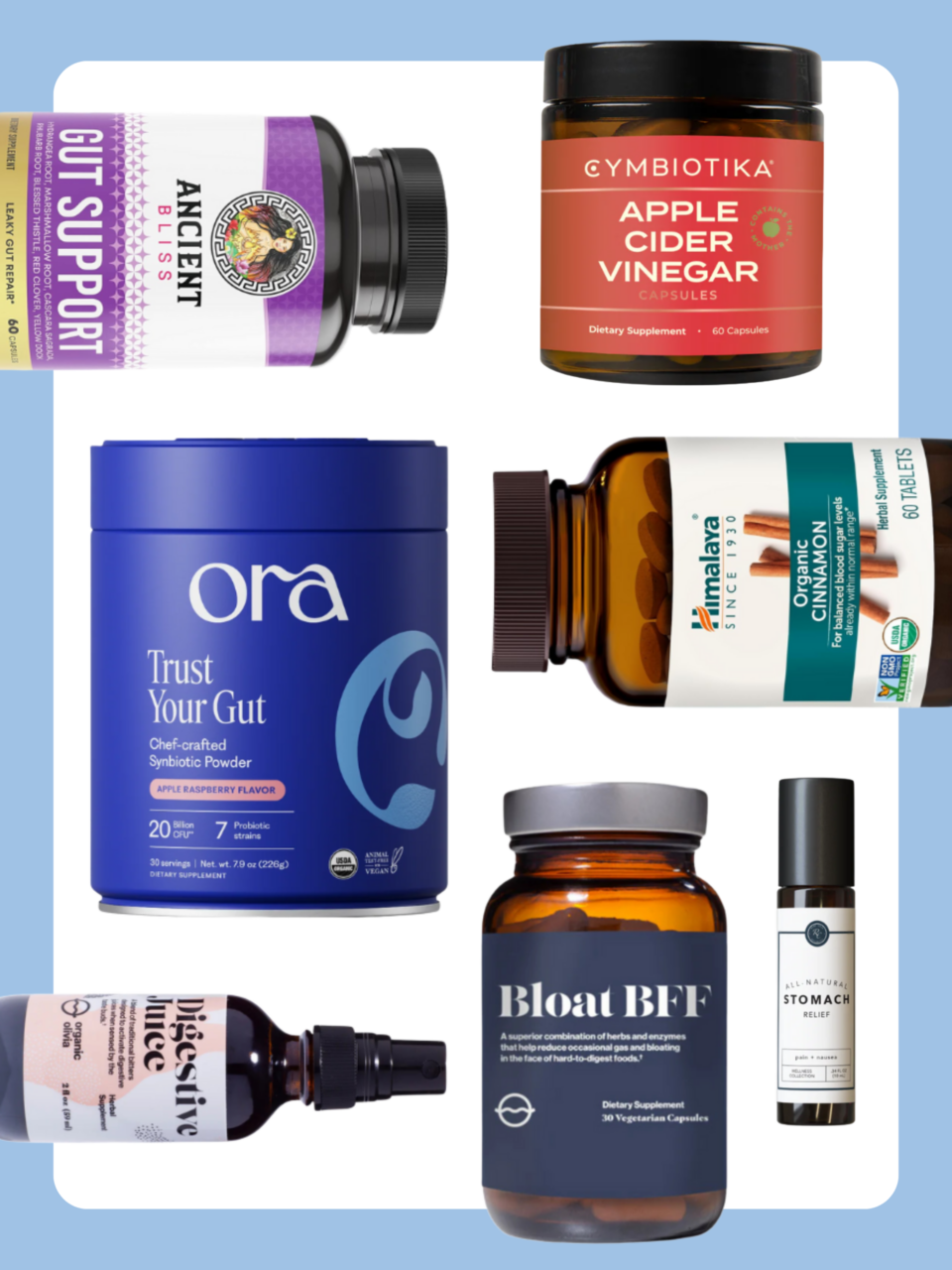
Even More Of Our Favorite Non-Toxic Gut Health Swaps
Below are more of our favorite gut health swaps across all categories to help you select effective non-toxic products for your routine. If you’re ever unsure about a product not in our database, use our Ingredient Glossary to better understand what it contains. Remember, this should be fun! If you’re ever feeling stressed or overwhelmed, take a step back. This guide will always be here for you to reference as you transform your gut health to be more balanced and to better support your overall health.
Shop our Gut Health Product Marketplace for all our GWE-approved favorites.